What Rooms to Stage for Maximum Impact
Which Rooms to Stage When Selling Your Home: The Complete Expert Guide
You've decided to sell your home, and you know staging matters. But here's the million-dollar question: which rooms should you actually stage? Should you stage everything, or can you be strategic about it?
Here's the truth from years of helping homeowners sell faster and for more money: not all rooms are created equal when it comes to staging impact. What we call the "heart of the home" can make or break a buyer's emotional connection to your property. Other rooms, like offices and flex spaces, might seem like afterthoughts but can actually solve one of the biggest objections buyers have: "What would I do with these rooms?"
The Heart of the Home: Where Buyers Fall in Love
When buyers walk through your home, they're not just looking at square footage and finishes. They're imagining their lives in the space. These are the rooms where life happens. Where families gather, where guests are entertained, where the day begins and ends. When these spaces feel warm, inviting, and functional, buyers can instantly see themselves living there. When they don't? The whole house falls flat, no matter how nice the rest of it looks.
The Kitchen: Your Home's Most Powerful Selling Tool
Let's start with the big one: the kitchen. This isn't just another room—it's consistently ranked as the most important room buyers consider when making a decision.
Why? Because the kitchen is where families spend most of their time. It's not just for cooking, it's the homework station, the coffee bar, the place where everyone congregates during parties. Buyers will stand in your kitchen and mentally calculate whether they can see themselves making breakfast there on a Tuesday morning or hosting Thanksgiving dinner.
What makes a staged kitchen work:
Clear, decluttered countertops that show off workspace (not your appliance collection)
Fresh, modern touches like a bowl of lemons, a vase of fresh flowers, or elegant canisters
Purposeful styling that shows functionality without clutter
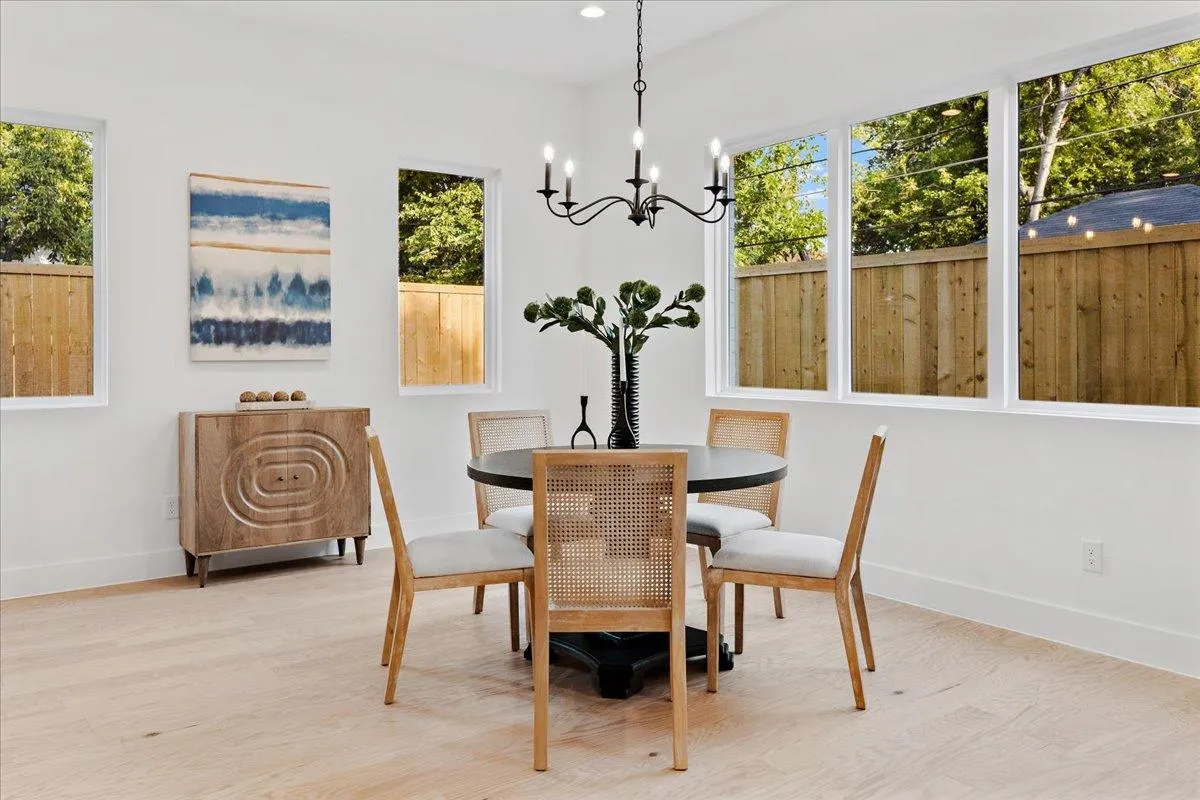
The Dining Room: Creating Moments That Matter
Here's something interesting: even though many people say they don't use their formal dining room that often, buyers absolutely want to see one staged. Why? Because the dining room represents possibility. It's where they imagine hosting holiday dinners, celebrating birthdays, and creating memories.
A bare dining room with just a table and chairs says "functional space." A styled dining room with place settings, a centerpiece, and warm lighting says "imagine the life you'll have here." That's the difference between a showing and a sale.
Staging essentials for your dining room:
Appropriately sized table that fits the space without overwhelming it
Simple table setting with tasteful dishes and glassware
An elegant centerpiece that adds visual interest without blocking sightlines
The Living Room: Where Comfort Meets Style
Think of the living room as your home's handshake. It's often one of the first spaces buyers see, and it sets the tone for everything that follows. This is where they'll imagine unwinding after work, watching movies with the family, or curling up with a good book on the weekend.
The key to staging a living room isn't about cramming it full of furniture or making it look like a showroom. It's about creating a space that feels comfortable. Buyers should think, "I could definitely relax here," while also feeling like the space is a step up from where they currently live.
Living room staging must-haves:
Strategic furniture placement that creates conversation areas and maximizes flow
Layered textures through throw pillows, blankets, and rugs that add warmth
Focal point emphasis whether that's a fireplace, large window, or entertainment area
Remember: less is more here. You want the room to feel spacious and airy, not cramped. If you're choosing between including that extra chair or leaving more open space, choose the space every time.
The Master Bedroom: Your Private Sanctuary
If the kitchen sells the house, the master bedroom sells the lifestyle. This is the most personal space in your home, and buyers are looking for one thing above all else: a peaceful place where they can escape from the world.
The master bedroom is where staging gets to be a little more luxurious, a little more hotel-like. This is your chance to help buyers imagine waking up in their dream home every single morning.
Master bedroom staging priorities:
Hotel-quality bed with crisp linens, plump pillows, and a stylish duvet or comforter
Neutral, calming color palette that appeals to the widest range of buyers
Thoughtful touches like fresh flowers, an elegant throw blanket, or a small sitting area if space allows
Beyond the Basics: Offices, Game Rooms, and Flex Spaces
You've nailed the heart of the home. But what about those other spaces? The spare bedroom that's become a catch-all. The bonus room upstairs. That weird nook off the hallway that you've never quite figured out. Should you stage those too?
The short answer: ABSOLUTELY, and here's why.
The Home Office: More Critical Than Ever
With remote and hybrid work now the norm for millions of people, having a dedicated workspace is a necessity. If you have a room that could function as an office, staging it as one can be a huge selling point. Buyers are actively looking for spaces where they can take Zoom calls, focus on projects, and separate work from the rest of their home life.
How to stage a home office that sells:
Functional desk setup with a clean, organized workspace
Storage solutions like shelving or filing cabinets that show the space is organized
Minimal but purposeful décor that keeps the space professional but not sterile
Game Rooms and Flex Spaces: Solving the "What Do I Do With This?" Problem
Here's where staging really makes your home stand out especially when it comes to awkward spaces. You know the ones… that bonus room that's too small to be a bedroom but too big to leave empty. The loft area at the top of the stairs. The former garage that was converted into... something.
When buyers see an undefined or awkwardly shaped space, their first thought is usually "I don't know what I'd do with this." But when you stage these spaces intentionally suddenly that room becomes an asset.
Popular flex space staging options:
Game room or entertainment space with a gaming setup, or media seating
Home gym with exercise equipment and yoga mats
Craft or hobby room with organized supplies and a work table
Reading nook or library with comfortable seating and bookshelves
Playroom with age-appropriate furniture and organized toy storage
The key here is to show them that the space has purpose and potential. Once they see it set up as a functional room, their imagination takes over. "Oh, I wouldn't use it as a game room, but that would make a perfect art studio!" You've just turned a question mark into a selling point.
Common Questions About Which Rooms to Stage
What rooms should you stage when selling a house?
At minimum, stage the heart of your home: the kitchen, living room, dining room, and master bedroom. These rooms have the biggest impact on buyers' first impressions and emotional connection to your property. If budget allows, also stage home offices and any flex or bonus spaces to show versatility and maximize your home's perceived value.
Do I need to stage every room in my house?
No, you don't need to stage every room. Focus your energy and budget on high-impact spaces: kitchen, living room, dining room, master bedroom, and any problematic or undefined spaces that might confuse buyers. Even though you don’t need to stage every room in the home you should stage as many rooms as your budget will allow for.
Is it worth staging a home before selling?
Absolutely. Staged homes sell faster and for more than unstaged homes. The return on investment is significant when you consider both the higher sale price and the reduced carrying costs from a faster sale. Plus, staged homes photograph better, attracting more online interest and showings.
What is a flex space in staging?
A flex space is any room that doesn't have an obvious, single-use purpose. This includes bonus rooms, lofts, converted garages, and oddly shaped spaces. When staging, you define these spaces by setting them up with a specific purpose—like a home office, gym, playroom, or craft room—so buyers can visualize how they'd use the space rather than seeing it as wasted square footage.
Should I stage awkward or bonus rooms?
Definitely! These are the spaces that cause buyers to think "what would I even do with this?" which can kill a sale. By staging them with a clear purpose you eliminate buyer uncertainty and turn a potential liability into a selling point. An empty awkward room loses you money; a well-staged one adds value.
Ready to Stage Your Home for Success?
At Model My Home, we specialize in creating spaces that sell. Our team has staged thousands of homes across every price point and style, and we know what works in today's market. We'll help you make smart, strategic decisions that maximize your return.
Contact us today to discuss your staging needs. Let's get your home sold faster and for top dollar.