10 Places People Forget to Clean That Make a Big Difference | Spring Home Refresh
Refresh Your Space: What Are the Places People Forget to Clean That Make the Biggest Difference in a Home?
When you clean the right spots, you're also doing a lot of the groundwork that interior designers and home stagers focus on making a space feel well-maintained, intentional, and move-in ready. The details are what people notice, even when they can't explain why one room feels better than another. Here are ten places worth adding to your cleaning list this season, and why they matter beyond just being clean.
1. Baseboards
Baseboards act as a visual frame for the entire space. When the baseboards are dingy or scuffed, the room can feel neglected no matter how nice the furniture is. Clean baseboards, on the other hand, give a room a finished look that ties everything together.
A damp microfiber cloth or Magic Eraser handles most buildup. For rooms you're staging or refreshing for guests, this is one of the easiest ways to make a space look like it's been well cared for.
2. Doors
Doors are considered part of the room's architecture, and they're something buyers and guests notice right away. Grimy doors undercut even the most thoughtfully decorated space.
Pay attention to:
Door handles and knobs: hardware is a design detail, and tarnished or sticky hardware reads as neglect
The door surface itself: especially around the handle where fingerprints and smudges build up over time
Clean doors and polished hardware are a small detail with a big return. They signal that the whole house has been looked after.
3. Kitchen and Bathroom Cabinets
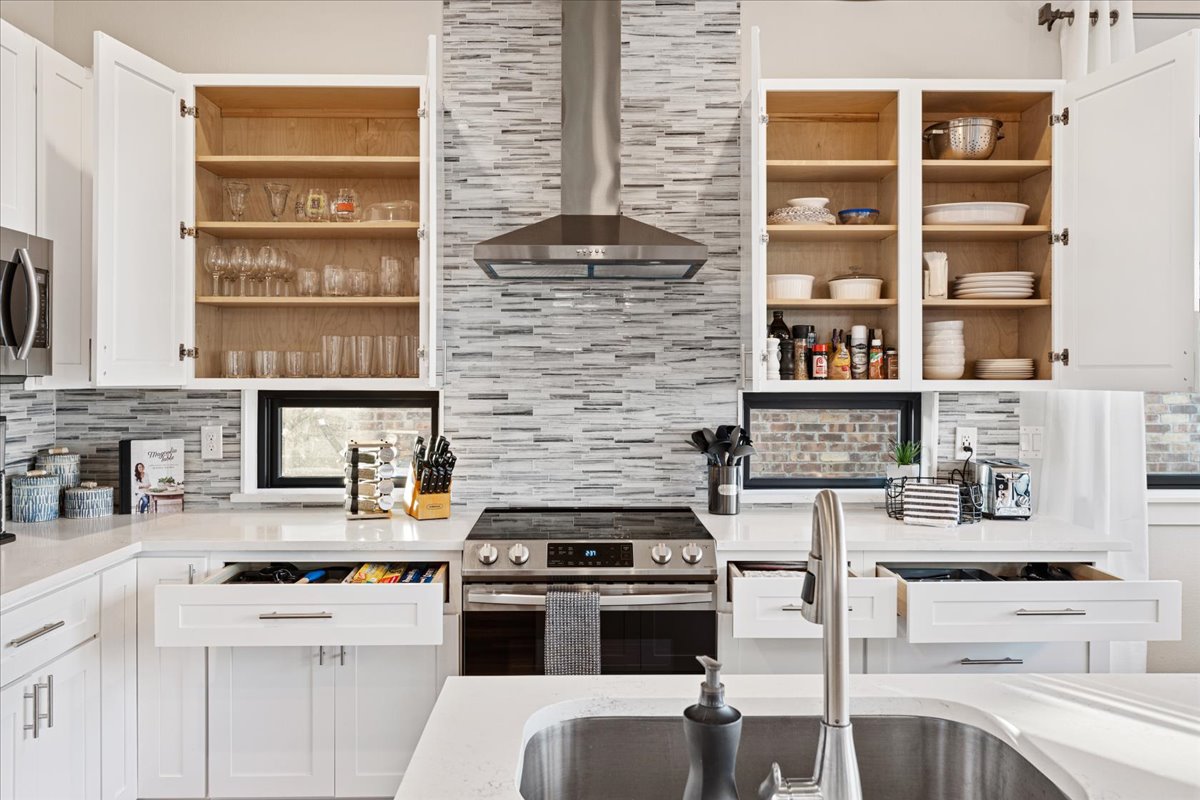
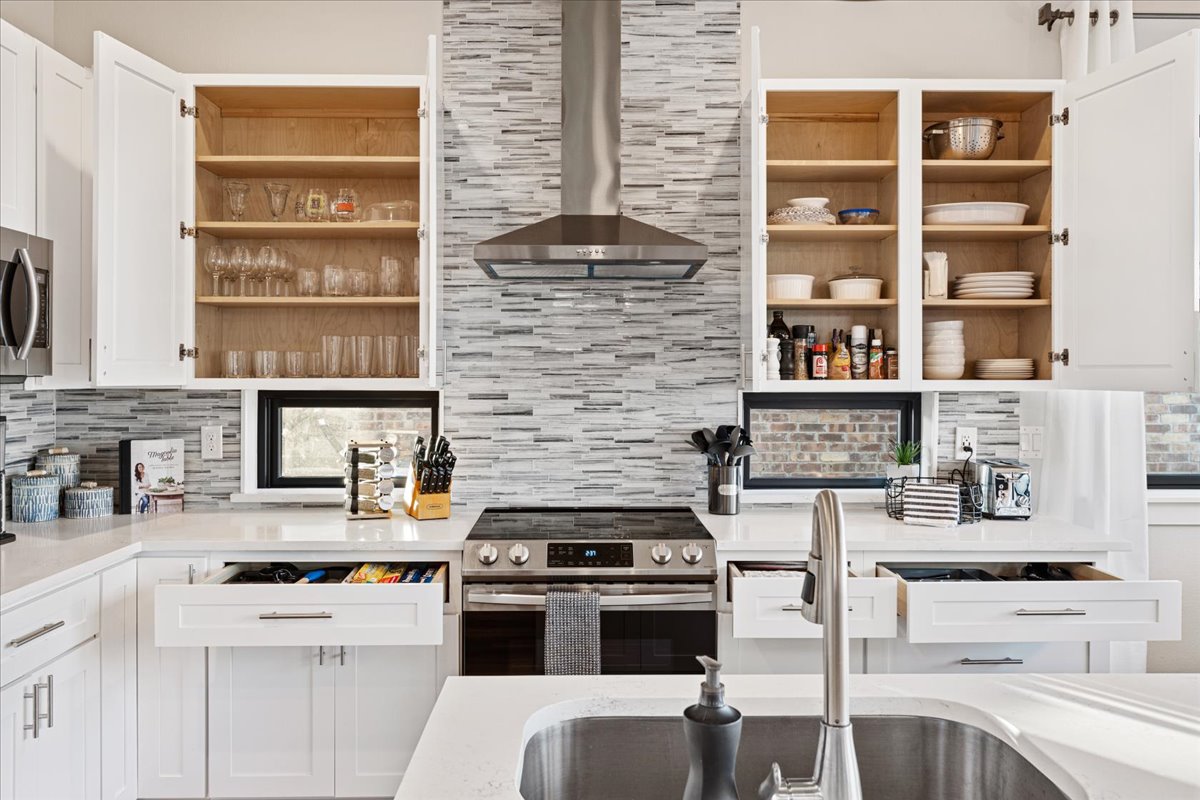
Cabinets are one of the biggest visual elements in a kitchen or bathroom, and they take up a lot of real estate in the room. Greasy or streaky cabinet fronts drag down the whole look of the space, while clean ones make even older cabinets look intentional and well-maintained. From a staging perspective, clean cabinets can make the difference between a buyer seeing potential and seeing a project. Wipe down the fronts with a degreaser, pay attention to the area below the pulls, and clean the interior shelves too. Buyers open cabinets, and the inside matters almost as much as the outside.
4. Light Fixtures
Lighting is one of the most important tools in interior design, and a dusty or bug-filled fixture undermines all of it. Designers spend a lot of time choosing fixtures that set the right mood for a room, but if the glass cover is cloudy with dust, the light it puts out will be flat and dim.
Clean fixtures give off better light, which makes colors, textures, and furniture look the way they were meant to. For staging, good lighting makes rooms feel larger and more inviting in photos and in person. Remove glass covers and wash them in the sink, and wipe down pendants and open fixtures with a dry microfiber cloth.
5. Window Tracks
Windows are a focal point in most rooms, Designers use them to frame views, bring in natural light, and anchor a space. But dirty window tracks make a room feel less polished than it should, especially during a showing or a staged walkthrough. A vacuum with a crevice attachment clears out the debris, and a cotton swab or old toothbrush with all-purpose cleaner handles the grooves. Clean windows and tracks let in more light and make the whole room feel fresher, which is exactly what you want in a well-staged space.
6. Tops of Surfaces
Refrigerators, upper cabinets, ceiling fan blades, tall bookcases — these are spots that interior designers notice immediately during a walkthrough, even if the average visitor doesn't consciously register them. Dust on high surfaces affects air quality and creates a general sense of staleness in a room. When staging, these areas matter because buyers and photographers are looking at the full picture. A step stool and a damp cloth handles most of it. Think of it as finishing the room all the way to the ceiling — the same way a good design doesn't stop at eye level.
7. Inside the Refrigerator
This one matters more in staging than people expect. Buyers open the refrigerator, and a clean, organized interior signals that the home has been well cared for overall. From a design standpoint, an organized fridge — cleared of clutter and wiped down — also photographs better and reads as part of a functional, thoughtful kitchen. Pull everything out, toss what's expired, wipe down shelves and drawers with warm soapy water, and clean the rubber door gaskets. It's a small effort that adds to the overall impression of a home that has been maintained.
8. Vents and Air Returns
Dusty vents are a detail that home stagers flag often, and for good reason. They're visible in almost every room, and when they're caked with dust, they make an otherwise clean space feel neglected. Beyond appearances, dirty vents circulate dust through the air, which affects how a home smells and feels — both of which matter enormously during a showing. Clean vents with a vacuum brush attachment or a damp cloth, and remove them to wash in the sink if you can. Fresh air and a clean-smelling home are part of the staging package just as much as the furniture arrangement.
9. Washing Machine and Dryer
Laundry rooms are increasingly part of the design conversation. Buyers pay more attention to them, and a well-maintained laundry space adds real value to a home.
A washing machine that smells musty or a dryer with visible lint buildup sends the wrong signal. Run an empty hot cycle with white vinegar or a washing machine cleaning tablet to clear out any buildup and grime. Also, wipe down the door gasket on front-loaders.
Pull the dryer away from the wall and vacuum out the lint trap housing and vent hose. A clean, functional laundry room is one less concern for a buyer and one more reason to feel good about the home.
10. Walls and Trim
Wall color sets the tone for every room. But scuffs, smudges, and dirty trim work against even the best color palette. Clean walls make a space feel newer without any major changes.
A damp sponge with a little dish soap handles most marks without damaging paint. Focus on hallways, around switches, and near doorways. Clean trim around windows and doors also sharpens the architectural details of a room, which is exactly what good interior design is built on.
A Cleaner Home Starts With the Details
Good design and a well-staged home both start with a clean, cared-for space. These ten spots are the ones that are often missed but can make a huge difference. Work through the list this spring and you'll notice the difference in how your home feels, whether you're living in it, listing it, or just ready for a fresh start.